NOTE 006 / PRACTICE / 4 MIN READ
The first page of a fieldbook.
Start with a date, a place, and a question.
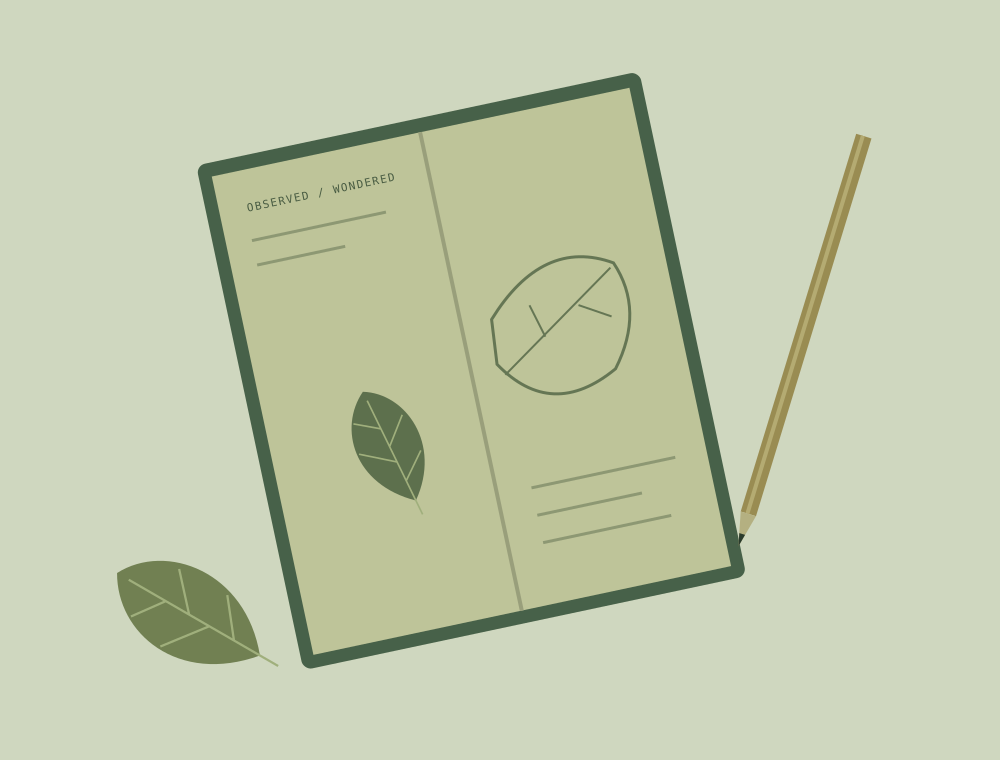
An empty notebook can make a small observation feel more important than it needs to be. Start with information rather than a finished drawing: the date, the approximate place, and what brought you there. Those three things give the page a useful beginning.
Make the page easy to enter
Write a short heading in one corner. Leave a generous space for a sketch and another for words. You do not need a fixed template for every page, but a little structure helps when you are standing outside with limited time and an awkward place to rest the book.
Distinguish seeing from guessing
Use two short labels: observed and wondered. Under the first, write what you can point to. Under the second, write the question it raises. This keeps a first impression from becoming a fact in your notes and gives you a reason to return.
End with one thing to revisit
A useful page can be rough. Before you close the book, underline one detail you want to check next time. Perhaps a shadow moved, a leaf shape surprised you, or a sound had no obvious source. The next page can begin there.
TRY THIS ON YOUR NEXT PAGE
Make a page with one drawing, three observations, and one question. Stop before you feel you need to make it beautiful.